Categories
MauiLiving, Maui Real Estate, Buying Real Estate in Maui, Upcountry MauiAre you wondering: Who owns the most land on Maui in 2025?
Answer: The largest landowner on Maui today is the State of Hawaiʻi, holding roughly 97,000 acres. Other major owners include Mahi Pono with about 41,000 acres, large ranching operations, and legacy estates. Together, Maui’s top six landowners control more than a third of the island’s total land, shaping agriculture, housing, and future development.
Understanding the Landscape: Maui’s Top Six Landowners
For decades, Maui’s land ownership patterns have been dominated by a handful of large players. While agriculture, conservation, and development priorities vary, their decisions have far-reaching implications for residents, investors, and policymakers.
Below is a fact-based breakdown of the biggest landowners in Maui County today, based on public records, verified acreage data, and recent transactions.
1. State of Hawaiʻi — ~97,000 Acres
The State of Hawaiʻi is by far Maui’s largest landowner. These lands include public forests, parks, conservation areas, and infrastructure zones. Much of this acreage is permanently protected for conservation or public use, such as Haleakalā National Park (managed federally but within state boundaries) and forest reserves in East Maui.
Key points:
-
Primarily conservation and public benefit land
-
Limited for development — zoning and environmental protections apply
-
Supports water catchment, wildlife preservation, and cultural sites
2. Mahi Pono — ~41,000 Acres
Formed in 2018 after acquiring most of Alexander & Baldwin’s former sugar plantation lands, Mahi Pono is now the largest private landowner on Maui. Their land stretches from Central Maui to parts of the North Shore, used for diversified agriculture.
Key points:
-
Focused on sustainable farming, crops include citrus, coffee, and potatoes
-
Criticism: some residents worry about water diversion and large-scale operations
-
Opportunity: potential to boost local food security and jobs
3. Haleakalā Ranch — ~30,000 Acres
Established in the 1880s, Haleakalā Ranch is a family-owned ranching operation spanning upcountry pastures, forests, and slopes of Haleakalā volcano.
Key points:
-
Primarily cattle ranching and conservation easements
-
Portions leased for ecotourism and renewable energy projects
-
Strong local heritage connection
4. Ulupalakua Ranch — ~18,000 Acres
Home to MauiWine and expansive grazing lands, Ulupalakua Ranch blends agriculture, tourism, and conservation.
Key points:
-
Produces beef, wine, and specialty crops
-
Hosts community and cultural events
-
Actively maintains open space in South Maui
5. Maui Land & Pineapple Company — ~22,000 Acres
Once synonymous with pineapple production, this publicly traded company still owns large parcels in West Maui, including Kapalua Resort.
Key points:
-
Focus on resort development, residential projects, and conservation
-
Owns significant shoreline property
-
Balances tourism with habitat protection
6. Federal Government — ~20,000 Acres
Includes Haleakalā National Park, military lands, and federally protected areas.
Key points:
-
Strong environmental protections
-
Limited development potential
-
Supports cultural preservation and biodiversity
The Historical Shift: Alexander & Baldwin’s Exit
Up until 2018, Alexander & Baldwin (A&B) was a top landowner, holding over 60,000 acres. The sale to Mahi Pono marked a major turning point in Maui’s land history, shifting control from a century-old “Big 5” plantation company to a newer, agriculture-focused entity.
For context:
-
A&B’s sugar plantation era ended in 2016
-
The sale reshaped land use from industrial sugar to diversified crops
-
Sparked debates on foreign investment and water rights
Infographic: Maui’s Largest Landowners (2025)
Alt text: “A colorful island map infographic showing Maui’s top six landowners and their approximate acreage: State of Hawaiʻi (97,000 acres), Mahi Pono (41,000 acres), Haleakalā Ranch (30,000 acres), Maui Land & Pineapple (22,000 acres), Ulupalakua Ranch (18,000 acres), Federal Government (20,000 acres).”
Why Large Landownership Matters to Residents and Investors
When a few entities control such a significant share of land, it affects:
-
Housing availability & pricing – Large tracts may remain undeveloped or zoned for agriculture, limiting residential expansion.
-
Agricultural sustainability – Big landholders can either strengthen or weaken Maui’s food security.
-
Cultural & environmental preservation – Ownership determines whether sacred sites and natural habitats are protected.
For Home Buyers & Sellers
If you’re buying land on Maui, knowing who owns surrounding parcels matters for:
-
Long-term property value
-
Development potential
-
Access to water rights and infrastructure
For Policy Makers & Advocates
-
Can influence land-use legislation
-
May impact tax structures for agriculture vs. residential development
Perspectives: For & Against Concentrated Land Ownership
For:
-
Large owners can maintain open space and protect natural habitats
-
Can fund large-scale conservation projects
-
Often maintain agricultural use instead of resort sprawl
Against:
-
Concentration limits smaller local ownership opportunities
-
Risk of decisions being driven by corporate or off-island priorities
-
Can restrict affordable housing development
Benjamin Finnerty’s Take as a Maui REALTOR®
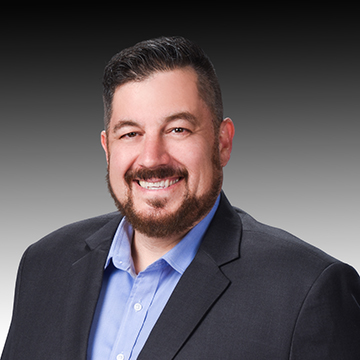
Having worked with buyers, sellers, and investors across Maui, I’ve seen how land ownership patterns influence both opportunities and challenges. Large owners are key players in the market — but they also set the tone for how much land is available for residential use, sustainable agriculture, and community development.
If you’re considering land investment on Maui:
-
Do your homework on zoning, water rights, and future land-use plans
-
Understand the neighborhood context — who owns the surrounding parcels, and what are their long-term intentions?
-
Work with a local expert who can provide both data and on-the-ground insight
Final Thoughts
The story of Maui’s land ownership is one of history, transformation, and ongoing debate. In 2025, the State of Hawaiʻi leads the list, but private ranches, agricultural companies, and resort developers also hold large stakes in the island’s future.
Whether you’re an investor, resident, or simply curious, knowing who owns what is essential to understanding Maui’s economy, culture, and landscape.
Thinking of Buying or Selling Property on Maui?
Understanding Maui’s land ownership is just one piece of the puzzle. Whether you’re planning to sell your home or searching for the perfect property, it pays to work with someone who knows the island’s history, zoning, and market trends.
I’m Benjamin Finnerty, REALTOR® — I specialize in Maui real estate and can help you navigate everything from competitive pricing strategies to identifying properties with the best long-term potential.
👉 Book a consult: benjamin.the808team.com/connect and let’s talk about your Maui real estate goals.
---
**Contact Benjamin Finnerty, REALTOR®**
📞 Phone: 808-481-9748
✉️ Email: benjamin@the808team.com
🌐 Website: benjamin.the808team.com