
Categories
Lahaina RebuildPublished August 28, 2026
Three Years After the Lahaina Fire: What the Rebuild Means for Maui Home Buyers in 2026

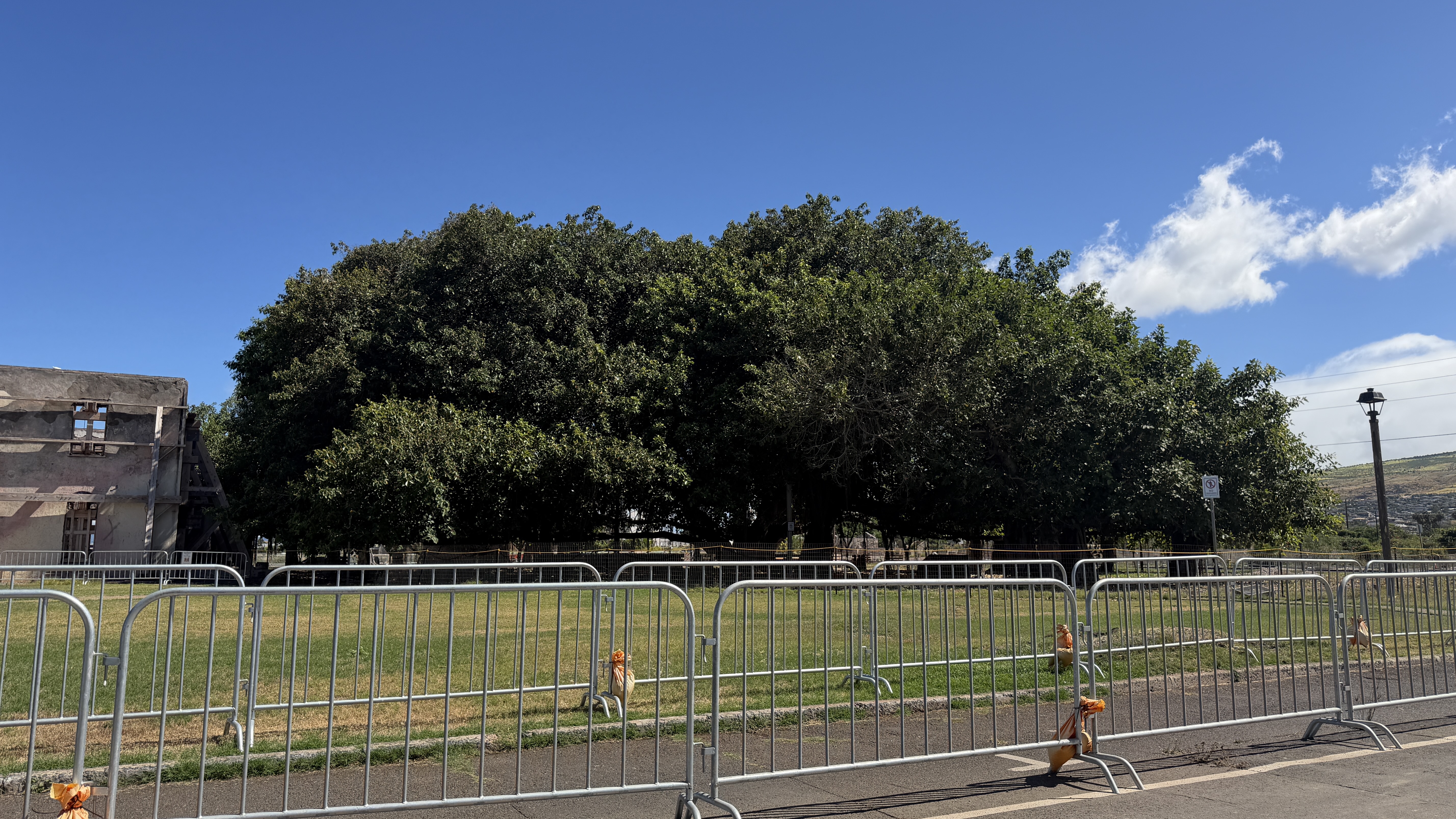
Three Years After the Lahaina Fire: What the Rebuild Means for Maui Home Buyers in 2026
Three years after the August 8, 2023 Maui wildfires, Lahaina is rebuilding.
The recovery is far from complete, but the picture in August 2026 looks very different from it did even a year ago. Homes are being rebuilt and occupied, hundreds more are under construction, Front Street has reopened to vehicles, infrastructure has been restored, and commercial properties are beginning the much slower process of returning to Lahaina town.
For people considering buying a home in West Maui—or even purchasing property within the Lahaina burn zone—the recovery raises some important questions.
How much of Lahaina has actually been rebuilt?
Can you buy property in the Lahaina burn zone?
What should buyers know before purchasing a vacant lot?
And how is the recovery affecting West Maui real estate?
Here’s where things stand three years after the fire and what buyers should understand before making a decision.
How Much of Lahaina Has Been Rebuilt?
Residential rebuilding has made substantial progress.
According to Maui County’s August 2026 recovery update, nearly 600 homes affected by the Maui wildfires have been rebuilt and occupied, while approximately 400 more are under construction.
The County has also issued or is processing permits representing approximately 1,264 additional housing units.
Overall, the County reports that 2,248 of the 2,746 housing units lost in the fires—about 82%—are now on a path toward rebuilding.
The State of Hawaiʻi separately reported 577 completed homes across Maui as of early August.
Those numbers are encouraging, but they also illustrate the scale of the recovery.
Three years after the disaster, hundreds of families are still rebuilding, designing homes, navigating permits, arranging financing, or determining what to do with their properties.
What About Kula and the Upcountry Fire?
Lahaina wasn’t the only Maui community that lost homes on August 8, 2023.
The Upcountry fire also destroyed 21 homes in Kula.
As of August 2026, five of those homes had been rebuilt, with building permits issued for 11 additional properties.
While considerably smaller in scale than the Lahaina disaster, rebuilding continues there as well.
Is Front Street Open Again?
Yes.
One of the most visible milestones in Lahaina’s recovery occurred on August 1, 2026, when Front Street reopened to vehicle traffic between Pāpalaua and Shaw streets.
Before the reopening, Maui County completed significant infrastructure work, including seawall and sidewalk repairs, new railings, landscaping, road paving, striping, and removal of wildfire debris and offshore pilings.
The County also reports that sewer service throughout Lahaina was fully restored in April 2025 and that all Lahaina roads reopened as of August 1, 2026.
That doesn’t mean Lahaina has returned to its pre-fire condition.
Large portions of the historic commercial district remain under reconstruction, and temporary closures may still occur as infrastructure and individual properties are rebuilt.
When Will Lahaina’s Businesses Reopen?
Commercial rebuilding is moving considerably slower than residential reconstruction.
The historic commercial core along the 600, 700, and 800 blocks of Front Street contains 46 commercial properties.
Ten shoreline properties are being offered a buyout as part of an effort to reduce future natural-hazard exposure and create public shoreline open space.
Of the remaining 36 mauka properties, Maui County reported in August that 14 were actively moving through planning and permitting. Six had received planning permits, five were in plan review, and three were in pre-application consultation.
That means rebuilding is underway—but recreating Lahaina’s commercial center will take years rather than months.
What Is ʻUlu o Lele Marketplace?
One important step toward restoring local commerce is ʻUlu o Lele, an interim marketplace planned for the former Outlets of Maui site.
The marketplace is intended to provide temporary space for approximately 25 to 50 local businesses, farmers, nonprofit organizations, and cultural practitioners while permanent commercial rebuilding continues.
It’s an important distinction for people following Lahaina’s recovery.
Reopening roads doesn’t mean the town has been completely rebuilt. Instead, infrastructure, housing, businesses, cultural sites, and public spaces are returning at different speeds.
Can You Buy Property in the Lahaina Burn Zone?
Yes.
Privately owned properties within the Lahaina burn zone can be bought and sold.
However, purchasing a vacant lot or partially rebuilt property inside the burn area is very different from purchasing an existing home elsewhere in West Maui.
Buyers need to investigate the individual parcel carefully.
That can include:
- zoning
- rebuilding rights
- existing permits
- utility availability
- insurance
- financing
- environmental conditions
- flood and coastal hazards
- historic-district requirements
- archaeological requirements
- building plans
- construction costs
The answers can vary dramatically from one property to another.
A vacant lot shouldn’t automatically be viewed as simply a discounted version of the home that previously occupied it.
You’re purchasing the land along with the regulatory, construction, financing, and timing considerations associated with rebuilding.
How Long Does It Take to Get a Lahaina Rebuilding Permit?
One misconception is that every Lahaina rebuilding permit currently takes years.
Maui County created an expedited Disaster Recovery Building Permit process specifically for wildfire survivors.
Earlier in 2026, the County reported that the average permit-approval time through that recovery program had fallen to approximately 44 days.
However, that number shouldn’t be interpreted as the total time required to rebuild a property.
Design, engineering, financing, insurance, contractor availability, utility work, historic-district requirements, and construction itself can all add substantial time.
A buyer purchasing a vacant parcel should therefore evaluate the entire development timeline rather than focusing solely on the building permit.
Is Buying a Lahaina Lot a Good Investment?
It can be—but I wouldn’t approach a Lahaina burn-zone property as a simple speculative investment.
There may be compelling opportunities for buyers with the resources, patience, and long-term commitment to rebuild in Lahaina.
But those opportunities need to be evaluated parcel by parcel.
I’d want to understand:
What can legally be rebuilt?
What was previously on the property?
Are plans or permits already in place?
What will construction realistically cost?
What financing is available?
Can the finished property be adequately insured?
Are there additional historic, shoreline, flood, or archaeological considerations?
And most importantly:
Would you still be comfortable owning the property if rebuilding takes longer or costs more than expected?
For the right buyer, the answer may absolutely be yes.
For someone looking for a quick investment or predictable construction timeline, an existing West Maui home may make considerably more sense.
How Has the Lahaina Fire Affected West Maui Real Estate Values?
This is where broad statements can be misleading.
There isn’t one “West Maui real estate market.”
Oceanfront condos, vacation rentals, residential condos, single-family homes, vacant Lahaina lots, and luxury properties can behave very differently.
The fire’s impact also can’t be separated cleanly from the other forces that have reshaped Maui real estate since 2023.
West Maui has simultaneously experienced:
- changes in visitor demand
- dramatically higher condominium insurance costs
- rising HOA fees
- higher mortgage rates
- increased condo inventory
- changing buyer demand
- Bill 9 and vacation-rental uncertainty
As a result, individual buildings and neighborhoods have performed very differently.
That’s why I would be cautious about using a countywide or even West Maui-wide percentage to describe what has happened to property values.
The more useful comparison is usually within the specific neighborhood or condominium complex you’re considering.
What About Bill 9 and West Maui Condos?
Bill 9 adds another layer to the West Maui real estate market, particularly for buyers considering vacation-rental condominiums.
Bill 9, now Ordinance 5909, phases out transient vacation rental use in certain apartment-zoned properties beginning in 2029 in West Maui.
Meanwhile, the County’s H-3 and H-4 hotel-zoning process could potentially change the future rental status of some affected properties.
That means a condo’s performance since the fire doesn’t necessarily tell you what its future value or income potential will be.
Before purchasing a West Maui condo, buyers should understand both the property’s current zoning and its potential future use.
Where Should West Maui Buyers Look in 2026?
For many buyers who want to live in West Maui without taking on a major rebuilding project, established communities outside the destroyed portions of Lahaina remain the more straightforward option.
Areas buyers commonly consider include:
- Kā‘anapali
- Nāpili
- Kahana
- Honokōwai
- Kapalua
- Launiupoko
- Puamana and greater Lahaina-area properties where applicable
The right choice depends heavily on what you’re looking for.
A primary residence, retirement property, second home, long-term rental, and vacation-rental investment all require different approaches in today’s West Maui market.
Is West Maui a Good Place to Buy in 2026?
For the right buyer, absolutely—but the reasons for buying matter.
Someone looking for a long-term home in West Maui may see today’s market very differently from an investor relying on short-term rental income.
Likewise, someone purchasing a Lahaina lot with the intention of rebuilding a family home has a completely different risk profile from someone hoping to resell the land quickly.
Three years after the fire, one of the most important lessons is that West Maui shouldn’t be evaluated as a single market.
You need to understand the individual neighborhood, property type, zoning, insurance situation, and long-term use.
The Bigger Picture Three Years After the Fire
Lahaina’s recovery is neither complete nor stalled.
It’s moving forward.
Nearly 600 homes have been rebuilt and occupied. Hundreds more are under construction. More than 1,200 additional housing units are in the permitting process. Roads and critical infrastructure have reopened, and commercial rebuilding is beginning to take shape.
But rebuilding buildings is only one part of Lahaina’s recovery.
The August 8, 2023 fires killed 102 people, displaced thousands of residents, destroyed homes and businesses, and permanently changed one of Hawaiʻi’s most historically and culturally significant communities.
How Lahaina is rebuilt—and who is able to return and remain there—matters far beyond real estate.
For buyers considering West Maui, that context deserves to be understood and respected.
What Buyers Should Take Away
If you’re considering buying in West Maui in 2026, don’t base your decision solely on headlines about the fire, rebuilding, or property prices.
Get specific.
If you’re considering an existing home, understand the neighborhood, insurance costs, and comparable sales.
If you’re considering a condo, understand its zoning, HOA finances, insurance, and Bill 9 status.
If you’re considering a Lahaina lot, understand exactly what can be rebuilt and what the realistic path from purchase to completed home looks like.
That’s where local knowledge becomes particularly valuable.
If you’re considering a property in Lahaina or elsewhere in West Maui, I’d be happy to help you look at the actual numbers, recent comparable sales, zoning, and property-specific considerations so you can understand what you’re buying before making a decision.
I’m Benjamin Finnerty, REALTOR® on Maui and Director of Sales for The 808 Team. I work with buyers and sellers throughout Maui, including West Maui, South Maui, Upcountry, and the North Shore.
Benjamin Finnerty REALTOR® RS-83812
Keller Williams Realty Maui RB-21851
808-481-9748
Benjamin@the808team.com
benjamin.the808team.com
This article reflects publicly available information as of August 2026 and is intended for general informational purposes only. It is not legal, environmental, tax, construction, insurance, or investment advice. Buyers should independently verify property-specific conditions and consult the appropriate qualified professionals before purchasing or rebuilding property.

The 808 Team Maui
| The 808 Team | Keller Williams Realty Maui
or another way